
The Meaning of Death
The Screwtape LettersThis flow traces the struggle to interpret mortality as disaster or as a threshold beyond earthly fear.
increasing Bearing strength in each event
 decreasing
Bearing strength in each eventdecreasingDeath Kept Distant

The Comfort of Worldliness
Denial
Screwtape values the belief that people will live indefinitely. Ordinary prosperity and distraction can make death feel remote and irrelevant.
Weakness
A settled confidence in endless earthly time leaves the patient less prepared to judge what matters. The war threatens to disrupt this complacency.
War Makes Mortality Visible
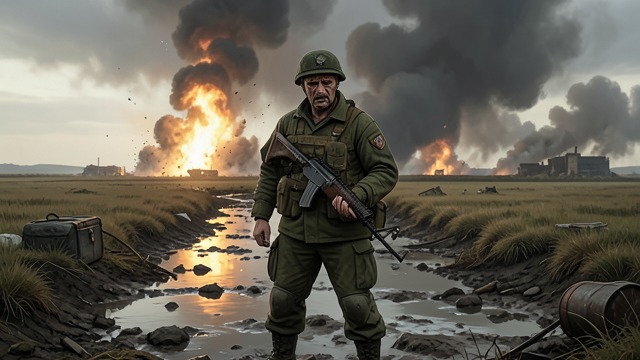
The Future Narrows
Reminder
War makes it difficult for people to believe they will live forever. Screwtape recognizes that this awareness can direct attention toward higher values or faith.
Ambivalence
Suffering alone does not determine a spiritual outcome. Its effect depends on whether the patient turns toward or away from God and other people.
Death Approaches as Threat
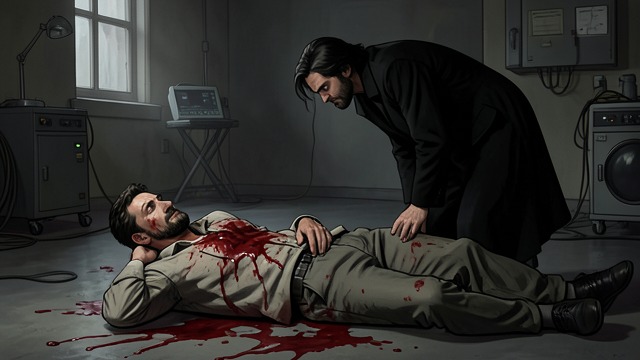
The Temptation of Survival
Demonic Concern
Screwtape orders Wormwood to keep the patient alive because death now threatens to end the campaign. This reverses the human assumption that survival is the highest good.
Perspective
The demons want years in which to wear down the patient. Their fear of his death exposes the possibility that mortality may release rather than destroy him.
The Patient Dies
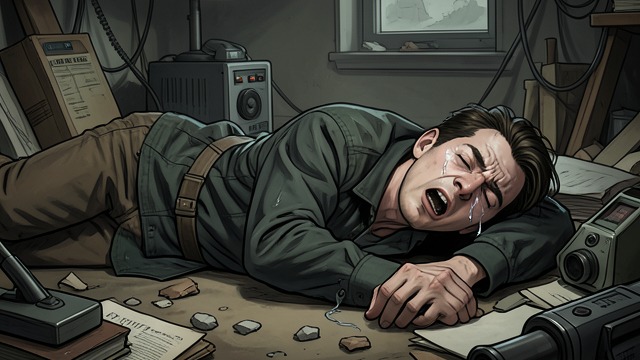
An Unexpected End
Violence
The patient dies amid bombs, exhaustion, and fear. The physical reality of his final moment is terrible and immediate.
Limit
Screwtape had hoped to use a long life of routine and disappointment, but receives no further opportunity. The patient’s death interrupts the demons’ temporal strategy.
Death Becomes Passage
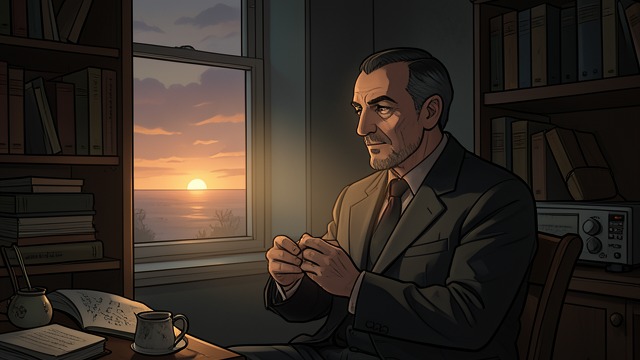
The Nightmare Ends
Transformation
The patient’s earthly horrors disappear, and his doubts become ridiculous in the light of what he experiences. The transition resembles waking after a nightmare or emerging from a narrowing passage.
Fulfillment
Death is revealed not as annihilation but as entrance into a life the patient had long been moving toward. The conclusion overturns Hell’s account of human mortality.
Before war makes mortality immediate
At the outbreak of World War II
When air raids threaten the patient’s town
At the ending, during the bombing
Immediately after the patient’s death
